
Delivery rider
Cost Breakdown: Real Monthly Food Delivery Rider Expenses
Jun
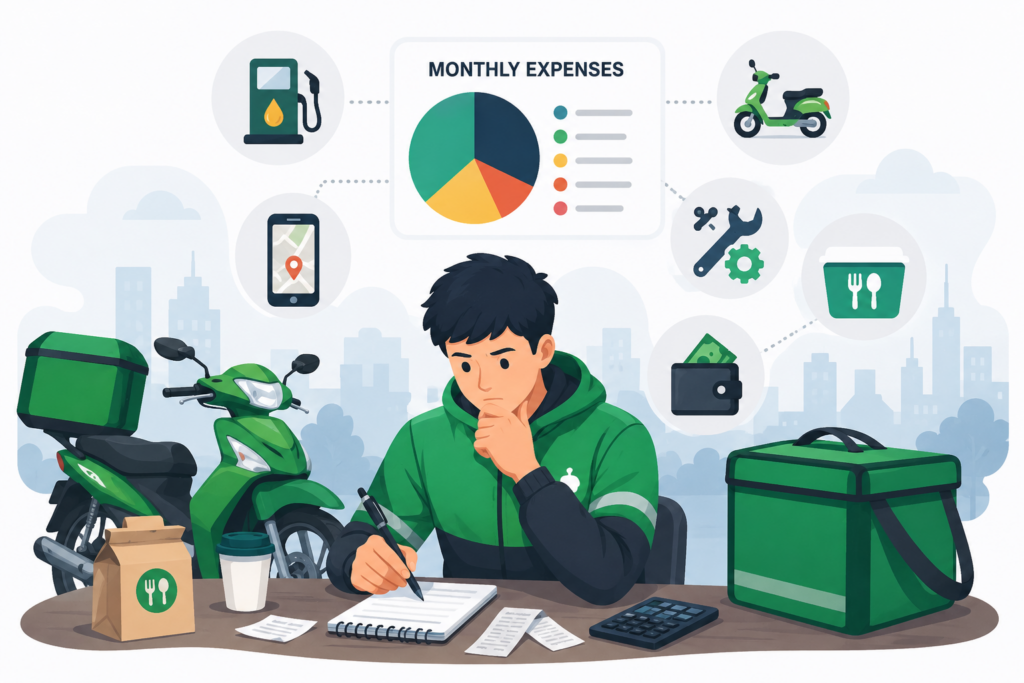
Delivery Rider Expenses: Ever wondered why food delivery riders in Singapore always seem to be rushing from place to place, battling rain or shine just to get your meals on time? The real monthly food delivery rider expenses Singapore 2026 are often higher than most people think. Rising fuel prices, equipment wear and tear, and even platform fees can quickly add up, making it tough for riders to earn a decent living.
This blog breaks down exactly where every dollar goes. We’ll examine each key expense riders face, from transport and insurance to daily essentials. Get an honest, up-to-date look at what it really costs to keep deliveries coming to your door, so you can better appreciate the challenges riders deal with in 2026. Let’s dive into the real numbers and see what’s behind every delivered meal.
How Much Does It Really Cost to Be a Food Delivery Rider in Singapore? | 2026 Cost Breakdown
Delivery Rider Expenses: For anyone considering a career as a food delivery rider in Singapore, understanding the cost breakdown is more crucial than ever in 2026. With expenses steadily rising, it’s not just about how much you can earn—knowing your real monthly outgoings is vital for budgeting, planning, and ultimately making gig work sustainable. Many new riders are caught off guard by the hidden and recurring expenses that come with the job, leading to surprises when their net profits don’t match initial expectations.
Vehicle and fuel costs are often the largest expense. Riders using motorcycles or cars must account for installment payments, daily petrol consumption, periodic engine oil changes, new tires, regular servicing, and unexpected repairs. Singapore’s fuel prices and maintenance charges have a direct impact on a rider’s take-home pay, so tracking these is essential before committing full-time.
Delivery Rider Expenses: On top of that, platform fees and work-related costs chip away at daily earnings. Major food delivery apps tend to charge commissions or service fees that can fluctuate depending on the job volume and platform changes. Reliable mobile data plans, phone maintenance, and investments in delivery bags or rain gear are necessary to operate efficiently, especially during sudden weather changes or extended hours on the road.
Insurance and legal requirements also form a substantial part of the delivery rider’s monthly cost breakdown. Comprehensive vehicle insurance, annual road tax, and business permits are mandated by Singapore’s regulations. Riders must stay vigilant against traffic fines, as non-compliance can quickly eat into profits.
Finally, beyond job-related expenses, smart riders budget for meals during shifts, emergency savings, and healthcare costs—prudent moves in a field where income can be unpredictable. Effective budgeting is not just about covering costs but ensuring long-term financial security, especially as income can fluctuate month to month. By understanding this detailed cost breakdown, aspiring food delivery riders can make informed decisions—and avoid the budgeting pitfalls that catch so many in Singapore’s vibrant gig economy.
Quick Specs: Real Monthly Expenses at a Glance
| Expense Category | Typical Monthly Cost | Notes |
|---|---|---|
| Motorcycle/Car Installment | $250 – $550 | Varies based on vehicle choice and loan terms |
| Petrol | $180 – $350 | Depends on fuel efficiency and daily distance covered |
| Engine Oil, Tyres, Repairs | $60 – $100 | Includes scheduled servicing and occasional repairs |
| Platform/Service Fees | $150 – $400 | Delivery app commissions or service charges |
| Mobile Data & Phone | $40 – $80 | Monthly plan and phone wear-and-tear |
| Insurance & Licenses | $50 – $120 | Vehicle insurance, road tax, necessary permits |
| Meals During Shifts | $100 – $200 | On-the-go meal expenses |
| Equipment (Bags, Gear) | $10 – $30 | Pro-rated replacement costs for delivery bags and rain gear |
| Total Monthly Operating Expenses | $840 – $1,830 | Realistic range for a typical full-time rider |
Delivery Rider Expenses: This transparent cost breakdown helps riders in Singapore see how operating expenses quickly add up each month. When planning your budget, consider how every category—vehicle, fuel, platform fees, and daily meals—impacts your true take-home earnings. By understanding these monthly costs at a glance, you’ll be empowered to manage your cashflow and ensure your food delivery sideline or career remains profitable under local regulations.
The True Cost of Staying on the Road: Vehicle and Fuel Expenses
Delivery Rider Expenses: For Singapore food delivery riders, the real cost breakdown of staying active on the road starts with recurring vehicle and fuel expenses. Your choice between a motorcycle and a car can dramatically impact how much you spend each month. Motorcycle installment payments are generally lower, making them more accessible for newer riders, while cars carry higher monthly loan payments—something to seriously factor into your decision if you’re considering an upgrade.
Daily petrol spend is another core cost. Riders clocking long hours and high mileage see fuel expenses add up fast. Motorcycles, with their smaller engines, tend to consume less fuel and are more budget-friendly at the pump. On the other hand, cars offer better protection from weather but guzzle significantly more petrol—so your daily expenditure rises. With petrol prices fluctuating in Singapore, it’s not unusual for riders to tweak their routes or delivery times to maximise earnings while minimising fuel spend.
Delivery Rider Expenses: Routine maintenance should never be overlooked in the cost breakdown. Regular engine oil changes, scheduled servicing, and timely tire replacements keep your vehicle running efficiently and compliant with Singapore’s stringent roadworthiness requirements. Delaying maintenance may lead to costly breakdowns, with repairs potentially wiping out your profits for the month. Unexpected breakdown costs are a harsh reality, especially if parts must be sourced quickly to return to work.
Ultimately, motorcycles typically offer lower overall monthly vehicle and fuel costs, but may be less comfortable during Singapore’s rainy season and offer limited cargo space. Cars provide comfort and protection but at a premium. Consider your delivery volume, working hours, and route distances when deciding which vehicle matches your earnings goals and lifestyle. Calculating these vehicle and fuel expenses honestly forms the backbone of any successful delivery rider’s financial planning in Singapore’s challenging gig economy.
App Fees, Gear, and Tools: The Hidden Work Expenses
Delivery Rider Expenses: When analysing the Cost Breakdown for a food delivery rider in Singapore, it’s crucial to look beyond just vehicle and fuel costs. App platform fees are a recurring hidden expense: almost every food delivery platform deducts a commission or service fee on each completed order. Over a month, these deductions chip away at a rider’s gross earnings, and should be carefully tracked when budgeting.
Staying connected is non-negotiable for food delivery work, so mobile data plans and regular phone maintenance become part of essential monthly expenses. Most riders opt for reliable, high-speed data plans to avoid downtime—spending a little more for uninterrupted connectivity often pays off, as missed orders can hurt overall earnings. Plus, smartphone screens can crack or battery life can wane with daily heavy use, meaning occasional repairs or replacements are another cost to anticipate.
Delivery Rider Expenses: Physical work equipment, like delivery bags and protective gear, add further to the cost landscape. Food delivery bags are typically thermal to keep orders fresh and may need periodic replacement if damaged or worn, costing riders a tidy sum each year. Essential items like raincoats are particularly necessary during Singapore’s wet season; investing in quality waterproof gear reduces downtime and supports rider safety during downpours. Some delivery platforms require riders to use official branded gear—which can mean an upfront investment or recurring replacement expenses.
While these hidden fees and equipment expenses may appear minor on a daily basis, they add up quickly each month. Experienced riders set aside a portion of each week’s earnings to cover these ongoing costs, ensuring they are prepared for both predictable outlays and sudden needs. Factoring in all these elements leads to a more accurate understanding of the actual take-home pay, helping potential and current riders make smarter financial decisions and keep their delivery business sustainable in Singapore’s competitive food delivery scene.
Can You Earn Enough? Balancing Income with Operating Costs
Delivery Rider Expenses: Balancing income and operating expenses is crucial for every food delivery rider in Singapore. After clocking in hours across the city, a rider’s daily earnings typically include the base delivery fees plus any peak-hour incentives or occasional bonuses from delivery platforms. On average, many riders earn a reasonable amount daily, but with platform commissions and service fees deducted, the take-home pay can be less than expected.
When tallying a monthly cost breakdown, riders must account not just for vehicle expenses—such as motorcycle or car installment payments, daily petrol, servicing, and repairs—but also for mandatory vehicle insurance, road tax, and necessary permits. Mobile data plans and the regular replacement of delivery equipment (like bags and rainwear) are additional out-of-pocket costs that eat into profits.
Delivery Rider Expenses: After deducting all typical expenses from the gross income, many riders find their net monthly profit much slimmer than the headline figures suggest. Fortunately, Singapore’s delivery platforms do offer bonuses—especially during peak demand hours or bad weather—but these are not guaranteed and often hinge on high delivery volumes. Costs such as meals during shifts, healthcare, and emergency savings further reduce disposable income, underscoring just how tight the margins can be.
It’s critical for riders to budget carefully for unavoidable expenses and set aside emergency funds. With careful planning and by maximising peak-hour slots, a disciplined rider can maintain a positive net income each month. Still, understanding the real cost breakdown ensures more realistic expectations and prudent financial management—making it essential for any new or existing delivery rider in Singapore to weigh both their earning potential and operating costs before committing fully to this line of work.
Are You Covered? Insurance, Licenses & Singapore Legal Requirements
Delivery Rider Expenses: When considering the real cost breakdown for food delivery riders in Singapore, it’s crucial not to overlook the legal essentials. Securing vehicle insurance is non-negotiable — whether you’re riding a motorcycle or driving a car, valid insurance protects you from third-party liabilities and is a basic requirement for all riders. Alongside, the road tax must be paid promptly each year; failure to do so can result in hefty penalties and even disqualification from using public roads.
In addition to insurance and road tax, riders must also hold appropriate business or rider permits to operate legally on delivery platforms. These permits often require renewal, and there may be differing fees depending on vehicle type and permit class. Factoring these legalised costs in your monthly expenses ensures there are no unwanted surprises, especially since lapsed permits can lead to account suspension or platform bans.
Delivery Rider Expenses: Singapore’s strict traffic enforcement also means riders must budget for potential traffic fines. Violations—such as speeding or illegal parking while picking up a delivery—can incur substantial fines that quickly erode monthly profits. Keeping records of all recurring and possible compliance costs helps ensure your business remains sustainable and legal.
Failing to meet any of these requirements can result in more than monetary penalties. Non-compliance could mean losing your eligibility to deliver, which directly impacts your income stability. Savvy riders set aside a monthly portion of their earnings specifically for these recurring legal obligations. By incorporating these non-negotiable costs into your cost breakdown, you not only stay on the right side of the law but also avoid unexpected disruptions to your delivery work in Singapore’s competitive gig economy.
Managing Personal Living & Finances as a Rider in Singapore
Delivery Rider Expenses: As a food delivery rider navigating Singapore’s bustling streets, managing personal living and finances efficiently is just as important as covering the core operating costs. Daily expenses like meals, snacks, and hydrating drinks can add up quickly, especially since long hours on the road make home-prepared meals impractical. Many riders find themselves grabbing quick eats from hawker centres or convenience stores, so it’s wise to allocate a sensible daily budget for food—this not only keeps costs in check but also ensures sustained energy throughout your shifts.
Rainy seasons or sudden illnesses can disrupt your earning ability, making an emergency fund and basic healthcare coverage vital. Riders should try to set aside a portion of their monthly net profit as a safeguard against unexpected downtime or medical expenses. Even a modest monthly saving can provide peace of mind in the face of accidents or breakdowns, which are not uncommon given the demands of the job.
Delivery Rider Expenses: Given the income uncertainty and fluctuating platform incentives, practical financial planning becomes essential. Many experienced riders recommend tracking both earnings and spending using apps or simple spreadsheets to get a true picture of your cash flow. It’s effective to split earnings into envelopes or bank accounts dedicated to different purposes: one for operating costs, one for daily living expenses, and another for savings. This ‘jar system’ prevents overspending and ensures you’re prepared for both routine and surprise expenses.
Budgeting is also about setting limits. For example, knowing the average cost breakdown for meals, fuel, and rider gear helps you spot when a particular expense starts creeping up. By maintaining discipline and regularly reviewing your spending, you’ll have greater control over your finances and more confidence to handle the ups and downs of the gig economy. This approach lays a solid foundation for financial well-being, helping you make the most out of every delivery and maximising your net profit in the long run.
Frequently Asked Questions
How much can an average food delivery rider expect to earn in Singapore per month in 2026?
The average food delivery rider in Singapore can expect to earn a variable monthly income based on daily and weekly earnings, peak-hour incentives, and bonuses after deducting platform fees and operating costs. After factoring in expenses like vehicle fuel, installment payments, and app commissions, net profit will depend on the number of shifts and efficiency during high-demand periods.
Which vehicle type is most cost-effective for riders?
Cost-effectiveness is largely driven by vehicle and fuel expenses. Typically, riders consider fuel consumption, installment payments, and maintenance costs—such as engine oil, tyres, and repairs—when choosing between motorcycles or cars. In Singapore, motorcycles often prove more economical for deliveries due to lower fuel usage and manageable upkeep, helping reduce the overall cost breakdown per month.
Are these expenses tax-deductible or can they claim CDC vouchers?
Certain work-related costs, like vehicle maintenance and platform-related fees, may be tax-deductible for self-employed riders if properly documented. However, CDC vouchers are generally meant for personal household expenses and not restricted for direct use on delivery business costs or operating expenditure.
How do I minimise repairs and prolong my vehicle lifespan?
Timely servicing—including oil changes and tyre rotations—will help reduce frequent repair needs. Using proper delivery equipment, parking safely at HDB areas, and not overloading your vehicle when on delivery routes like the PCN paths, can further extend your vehicle’s operational lifespan and minimise downtime for repairs.
What happens if you get fined or caught without proper insurance/license while riding?
Being caught without the required vehicle insurance, valid license, or necessary rider permits can result in steep fines, possible suspension, or legal action under Singapore’s strict traffic regulations. Riders are advised to always maintain current insurance, road tax, and all required documentation to avoid unnecessary compliance costs in their monthly cost breakdown.
Should You Become a Food Delivery Rider in Singapore? Our 2026 Verdict
Delivery Rider Expenses: Deciding if food delivery is a viable job in 2026 depends on a careful cost breakdown of your actual monthly expenses versus your potential income. Many riders in Singapore find that while daily earnings can be attractive—especially with peak-hour bonuses or platform incentives—operating costs add up rapidly. These include daily fuel expenses, regular vehicle servicing, platform commissions, mandatory vehicle insurance, and the outlay for proper delivery equipment.
Food delivery can suit those seeking flexible hours or supplementing their main income, particularly if you already own a compliant vehicle, are disciplined with budgeting, and can efficiently work during periods of high demand. However, it’s important to consider risks: fluctuating demand, unstable weekly earnings, and personal costs such as meals during shifts or the need for emergency healthcare. Riders are also responsible for compliance costs like road tax, rider permits, and paying for traffic fines—making financial planning essential.
Delivery Rider Expenses: This lifestyle best fits self-motivated individuals comfortable with outdoor work, Singapore’s weather, and variable shift patterns. If you appreciate independence and can navigate HDB storage rules (especially for motorcycles or e-bikes), the work can be rewarding. Yet, a realistic understanding of true net profit after all expenses is critical to avoid disappointment or financial hardship.
Before starting, assess your financial buffer, research vehicle costs, review your platform’s specific commission rates, and set up a basic budget for savings and insurance. Taking time to do a personal cost breakdown will greatly improve your long-term sustainability as a food delivery rider. Want more tips, tools, and resources? Consider consulting local rider networks or financial services tuned to gig work in Singapore before making your decision.
We at Speedzone specialize in offering top-quality servicing for a variety of premium motorcycle brands. Whether you ride a Yamaha, Honda, KTM, Suzuki, Kawasaki, SYM, Aprilia, Piaggio, or Mutt Motorcycle, you can trust us to keep your ride running smoothly.
Book Your Service Today
Ready to give your motorcycle the care it deserves? Or just curious to know more? With our premium motorcycle accessories available catering to every motorbike models. Book your motorcycle servicing with us or drop by our showroom today and experience the difference of expert servicing tailored to your brand and friendly staffs!
